
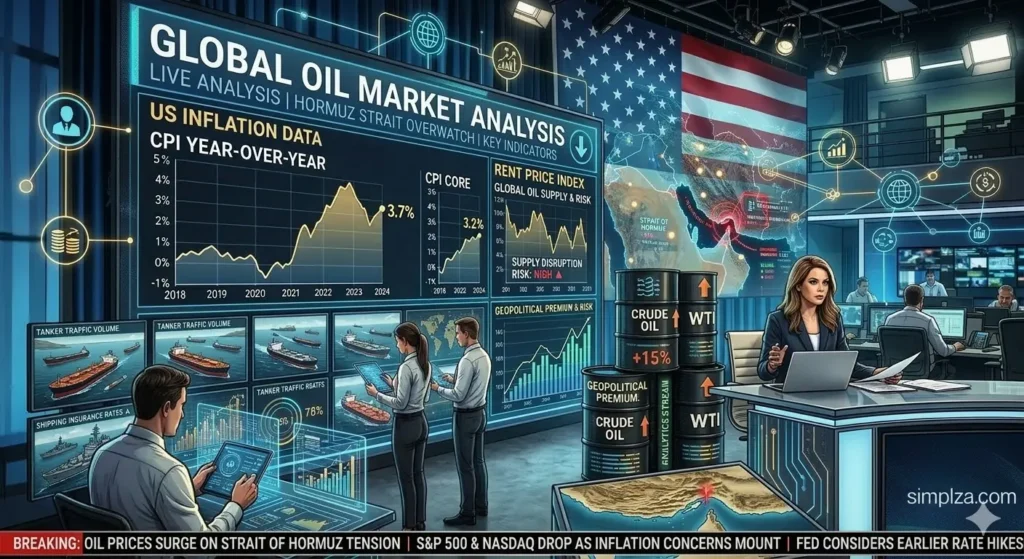
The latest U.S. inflation data offered some relief to financial markets, suggesting that price pressures may finally be slowing. However, new economic challenges — including rising oil prices and signs of a weaker labor market — could complicate the situation in the coming weeks.
The February Consumer Price Index (CPI) report showed that inflation remained relatively stable. Consumer prices increased 0.3% in February compared with the previous month and 2.4% compared with a year earlier. Core inflation, which excludes food and energy prices, rose 0.2% for the month and 2.5% annually.
At first glance, these numbers appeared encouraging for investors and policymakers. They suggested that inflation may be gradually cooling, giving the Federal Reserve room to consider lowering interest rates later this year.
However, the economic picture has quickly become more complicated.
Why the CPI Report Looked Positive
One of the main reasons the February CPI report looked favorable was the continued slowdown in housing-related costs.
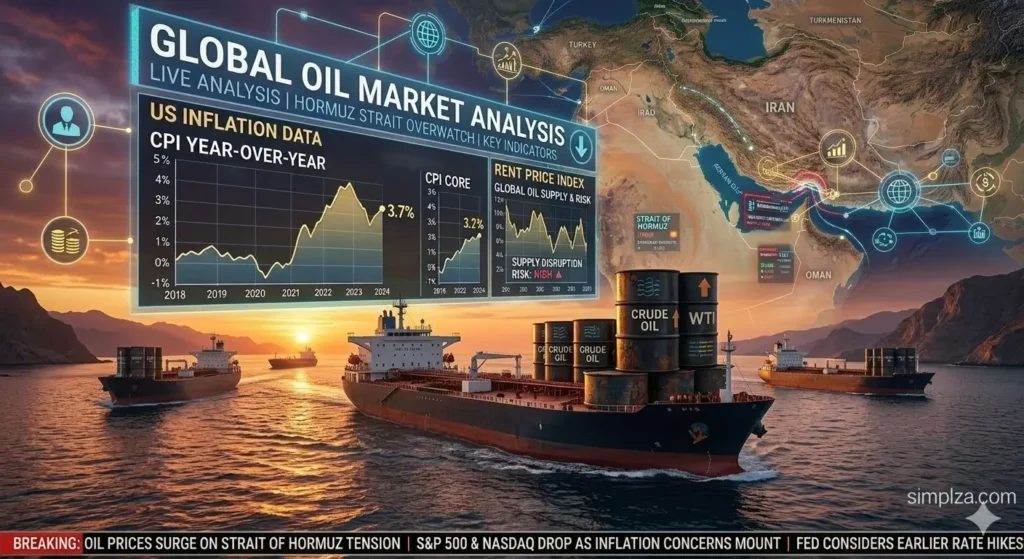
According to the Bureau of Labor Statistics, rent increased only 0.1% in February, the smallest monthly rise in the past five years. The broader shelter index increased 0.2%, indicating that housing inflation — a major contributor to rising prices in recent years — may finally be easing.
Lower housing inflation is important because it makes up a large portion of the CPI calculation. When rent and housing costs slow down, overall inflation tends to decline as well.
For financial markets, this was welcome news. Investors interpreted the data as a signal that inflation was under control and that the Federal Reserve might begin reducing interest rates later this year.
Rising Oil Prices Create New Inflation Risk
Despite the encouraging inflation report, a major new risk has emerged: rising oil prices.
Tensions in the Middle East, particularly around the Strait of Hormuz, have pushed global oil prices sharply higher. Oil briefly surged to levels not seen since 2022, raising concerns about future inflation.
Higher oil prices affect the economy in many ways. They increase the cost of gasoline, transportation, shipping, and manufacturing. These higher costs can eventually be passed on to consumers through higher prices for goods and services.
Global energy markets have also been disrupted by supply concerns. The International Energy Agency warned that supply disruptions related to conflict in the region could reduce global oil supply by millions of barrels per day.
Because energy costs influence nearly every part of the economy, a sustained increase in oil prices could reverse some of the progress made in lowering inflation.
Weak Labor Market Adds Another Challenge
Another concern for policymakers is the U.S. labor market.
Recent employment data suggests that job growth may be slowing. The latest report showed payrolls falling by 92,000 jobs in February, while the unemployment rate increased slightly from 4.3% to 4.4%.
This trend raises concerns about economic growth. A slowing labor market could reduce consumer spending, which is one of the main drivers of the U.S. economy.
Adding to the uncertainty, the Bureau of Labor Statistics recently revised earlier job data. The revision revealed that employment growth in 2025 was significantly weaker than previously reported.
Originally, the economy was believed to have added 584,000 jobs in 2025, but the revised figure shows only 181,000 jobs. This suggests the labor market may have been weaker for longer than economists initially believed.
The Federal Reserve Faces a Difficult Decision
All of these factors place the Federal Reserve in a challenging position as it prepares for its upcoming policy meeting.
On one hand, the February CPI report suggests inflation is slowing — a positive sign that could support interest rate cuts. On the other hand, rising oil prices and a weakening labor market create new economic risks.
If the Fed focuses too heavily on the lower inflation data, it could underestimate the impact of rising energy prices. But if it keeps interest rates high for too long, it could put additional pressure on an already slowing economy.
Economists from Goldman Sachs have already adjusted their expectations, pushing their forecast for the first Federal Reserve interest rate cut from June to September.

What This Means for the U.S. Economy
For now, the February inflation report provides some reassurance that price pressures are not accelerating. However, it may only represent a snapshot of economic conditions before new risks began to appear.
Oil prices, labor market weakness, and global geopolitical tensions could all influence inflation and economic growth in the months ahead.
For policymakers, investors, and everyday Americans, the key question remains:
Was February the beginning of a lasting decline in inflation, or just a temporary calm before new economic pressures emerge?
The answer will likely become clearer as new economic data arrives in the coming weeks.